
Το θεωρητικό πλαίσιο και η γενεαλογία του καλλιτέχνη-brandThe theoretical framework and genealogy of the artist-brand
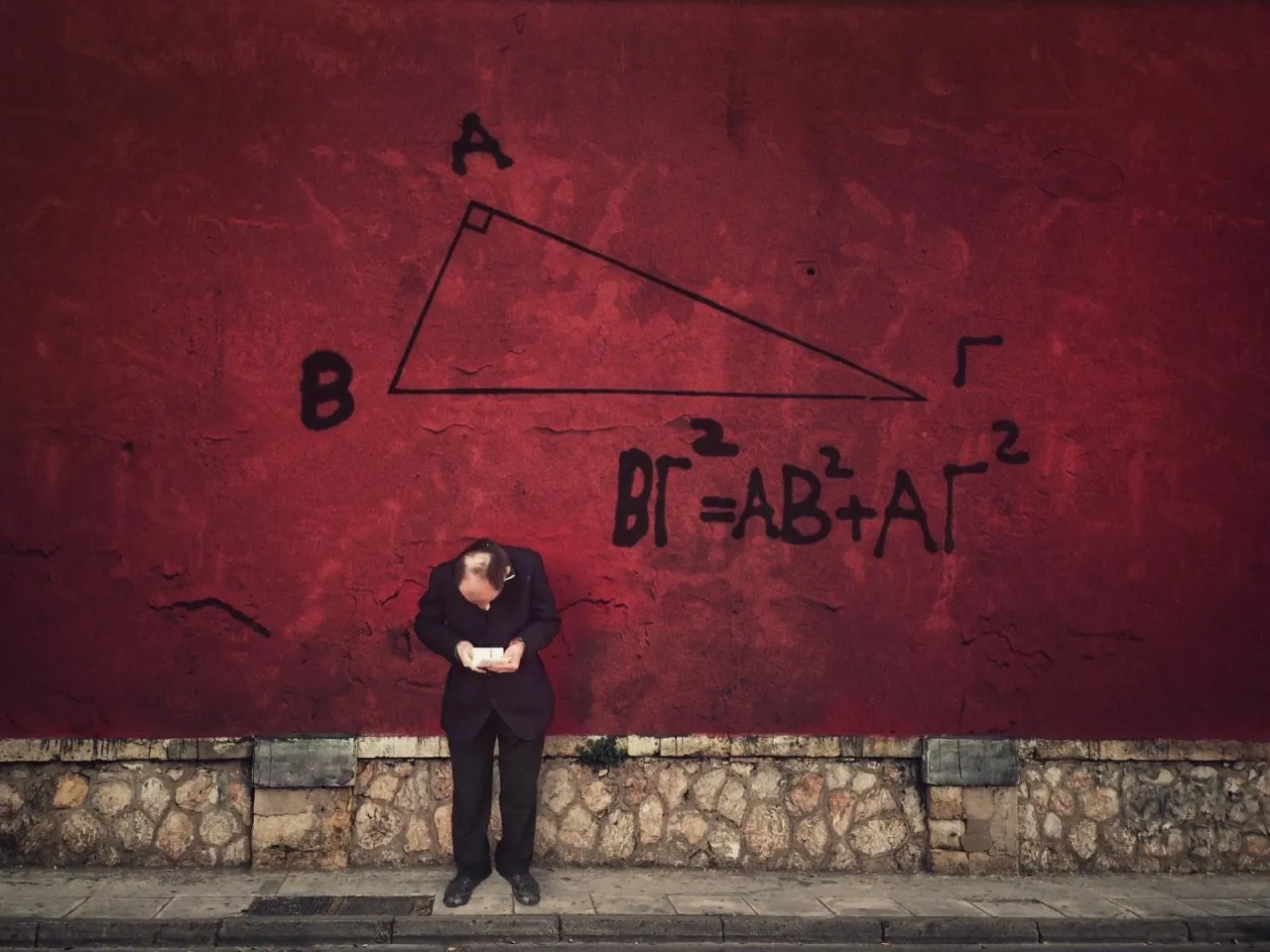
Το πεδίο της σύγχρονης τέχνης διέρχεται μια παρατεταμένη περίοδο βαθύτατου δομικού μετασχηματισμού, η οποία χαρακτηρίζεται από μια εγγενή και ανησυχητική αντίφαση. Από τη μία πλευρά, η παραγωγή καλλιτεχνικών έργων, η διοργάνωση εκθέσεων παγκόσμιας εμβέλειας και η συγγραφή συνοδευτικών επιμελητικών κειμένων βρίσκονται στο ιστορικό τους απόγειο, κατακλύζοντας τον δημόσιο και ψηφιακό χώρο. Από την άλλη πλευρά, ο αυστηρός, τεκμηριωμένος και αξιολογικός κριτικός διάλογος —ο οποίος παραδοσιακά νοηματοδοτούσε αυτή την παραγωγή— έχει ουσιαστικά εκλείψει. Ο διακεκριμένος ιστορικός τέχνης James Elkins έχει διαγνώσει με ακρίβεια αυτή τη συνθήκη, επισημαίνοντας ότι η τεχνοκριτική βρίσκεται σε μια παγκόσμια, διαρκή κρίση. Στη σημερινή εποχή, η κριτική παράγεται μαζικά, ωστόσο καταναλώνεται επιφανειακά και αγνοείται εξίσου μαζικά από το ευρύ κοινό αλλά και από τους ίδιους τους δημιουργούς, έχοντας πλέον διαλυθεί στο παρασκήνιο μιας γενικευμένης, ακατάπαυστης πολιτισμικής φλυαρίας.
Ιστορικά, η κριτική της τέχνης δεν αποτελούσε απλώς ένα συνοδευτικό αφήγημα, αλλά λειτουργούσε ως ένα δυναμικό πεδίο παθιασμένης, πολεμικής και συχνά ριζοσπαστικής αναμέτρησης με το ίδιο το έργο τέχνης και το βαθύτερο ιδεολογικό του υπόβαθρο. Σήμερα, ωστόσο, αυτή η συγκρουσιακή δυναμική έχει σταδιακά αντικατασταθεί από μια κουλτούρα αδιαπραγμάτευτης αποδοχής. Η σύγχρονη κριτική διακρίνεται πλέον από μια αυστηρή περιγραφική ουδετερότητα, μια υπολογισμένη αμφισημία και μια ρητορική που προσομοιάζει περισσότερο σε κείμενα δημοσίων σχέσεων παρά σε θεωρητική ανάλυση. Το φαινόμενο αυτό δεν είναι απλώς σύμπτωμα μιας αισθητικής υποχώρησης, αλλά αντανακλά βαθύτερες δομικές αλλαγές στην ίδια την πολιτική οικονομία του πολιτισμού.
Στο τοπικό πλαίσιο της Αθήνας, αυτή η συνθήκη προσλαμβάνει ιδιαίτερα οξυμένα και σύνθετα χαρακτηριστικά. Κατά την τελευταία δεκαπενταετία, η ελληνική πρωτεύουσα μετατράπηκε σε κατεξοχήν πεδίο διεθνούς πολιτισμικού ενδιαφέροντος, κυρίως λόγω της πολυεπίπεδης κοινωνικοοικονομικής κρίσης που βίωσε. Η κρίση αυτή «εξωτικοποιήθηκε» και κεφαλαιοποιήθηκε διεθνώς, γεγονός που κορυφώθηκε με τη φιλοξενία της διεθνούς έκθεσης documenta 14 υπό τον ενδεικτικό τίτλο “Learning from Athens” και την ταυτόχρονη έκδοση του θεωρητικού της περιοδικού South as a State of Mind. Σε αυτό το δυναμικό, διαρκώς μεταβαλλόμενο αλλά εξαιρετικά επισφαλές περιβάλλον, οι εγχώριοι θεσμοί επιτελούν έναν συνεχή αγώνα επιβίωσης και διατήρησης της πνευματικής τους αυτονομίας. Φορείς όπως το Ελληνικό Τμήμα της Διεθνούς Ένωσης Κριτικών Τέχνης (AICA Hellas) καταβάλλουν συνεχείς προσπάθειες για τη διάσωση του κριτικού αναστοχασμού μέσα από συνέδρια και την έκδοση του περιοδικού Κριτική + Τέχνη. Παράλληλα, θεσμοί και διοργανώσεις όπως το Platforms Project λειτουργούν ως εκτεταμένα, ζωτικά δίκτυα για την ενίσχυση της ανεξάρτητης καλλιτεχνικής σκηνής. Εντούτοις, παρά τη σημαντική αυτή θεσμική κινητικότητα, η ελληνική σκηνή κυριαρχείται όλο και περισσότερο από λογικές αναγκαστικής δικτύωσης. Η αδήριτη ανάγκη επιβίωσης εντός ενός ασφυκτικά περιορισμένου και υποχρηματοδοτούμενου οικονομικού περιβάλλοντος καθιστά την άσκηση μιας αυστηρής και αιχμηρής κριτικής πρακτικά απαγορευτική.
Για να γίνει κατανοητή η σημερινή κατάρρευση της αξιολογικής κριτικής, είναι απαραίτητο να ιχνηλατηθεί η εξέλιξη της πρόσληψης της τέχνης, η οποία συνδέεται άρρηκτα με την ιστορική μετατόπιση της οντολογίας του ίδιου του δημιουργού. Στην προ-Αναγεννησιακή Ευρώπη, η ταυτότητα του δημιουργού απείχε παρασάγγας από αυτό που σήμερα ονομάζουμε «καλλιτέχνη». Ο δημιουργός λειτουργούσε πρωτίστως ως τεχνίτης (artisan), απολύτως και οργανικά ενταγμένος στο αυστηρό και ιεραρχικό σύστημα των μεσαιωνικών συντεχνιών. Η παραγωγή του έργου τέχνης δεν συνιστούσε μια μοναχική ενδοσκόπηση, αλλά μια αυστηρά συλλογική, εργαστηριακή διαδικασία. Η ιδέα της εξατομικευμένης «δημιουργικότητας» ή της ρήξης με την παράδοση, με τη σημερινή τους έννοια, ήταν ουσιαστικά ανύπαρκτη. Σε αυτό το πλαίσιο, το έργο τέχνης αξιολογούνταν βάσει απολύτως αντικειμενικών, μετρήσιμων και εξωτερικών κριτηρίων. Η κριτική αφορούσε την κατασκευαστική αρτιότητα, την αυστηρή τήρηση των γεωμετρικών αναλογιών, τη λειτουργικότητα του αντικειμένου, καθώς και τη θεολογική ή δογματική του ακρίβεια σε σχέση με τις επιταγές της Εκκλησίας.
Με την έλευση της Αναγέννησης και, κατεξοχήν, με την εδραίωση του Ρομαντισμού και αργότερα του Μοντερνισμού, το καλλιτεχνικό παράδειγμα μεταβάλλεται ριζικά. Αναδύεται και κυριαρχεί η εμβληματική φιγούρα της αυτόνομης «ιδιοφυΐας» (genius). Η τέχνη διαχωρίζεται οριστικά από την απλή χειρωνακτική τεχνική (ars/techne) και ανάγεται σε μια υψηλή, σχεδόν υπερβατική έκφραση του ατομικού πνεύματος. Εντούτοις, ακόμη και μέσα σε αυτή τη νεωτερική συνθήκη της ατομικής έκφρασης, η αξιολογική κριτική διατηρεί στο ακέραιο τον ρυθμιστικό της ρόλο. Το έργο τέχνης δεν κρίνεται “εν κενώ”, αλλά καλείται να ανταποκριθεί και να αναμετρηθεί με υψηλά φιλοσοφικά και αισθητικά ιδεώδη. Είτε πρόκειται για την αναζήτηση του Υψηλού (Sublime) και του Ωραίου στον Ρομαντισμό, είτε για την εμμονή στην καθαρότητα της φόρμας, του υλικού και του μέσου στον Μοντερνισμό, η κριτική λειτουργούσε ως το απαραίτητο εργαλείο αξιολόγησης.
Στη σύγχρονη εποχή, ωστόσο, υπό το βάρος του ψηφιακού καπιταλισμού και του ακραίου νεοφιλελευθερισμού, το παράδειγμα έχει υποστεί μια ακόμη πιο δραματική, αν και λιγότερο ορατή, μετατόπιση. Ο σύγχρονος δημιουργός δεν νοείται πλέον ως μια απομονωμένη, ασυμβίβαστη ρομαντική ιδιοφυΐα. Αντιθέτως, καλείται —συχνά εκβιαστικά— να λειτουργήσει ως ένας «καλλιτέχνης-brand», μετατρεπόμενος σε έναν ευέλικτο επιχειρηματία του εαυτού του. Η σημερινή νεοφιλελεύθερη συνθήκη απαιτεί από τον καλλιτέχνη να διαχειρίζεται το έργο, την ταυτότητα και το συμβολικό του κεφάλαιο με αμιγείς όρους αγοράς και στρατηγικού marketing.
Υπό αυτό το αυστηρά εταιρικό πρίσμα, η παραδοσιακή, αυστηρή τεχνοκριτική υφίσταται μια ριζική επανανοηματοδότηση. Δεν εκλαμβάνεται πλέον απλώς ως μια θεμιτή αισθητική ή θεωρητική διαφωνία, αλλά βιώνεται ως ευθεία, εχθρική απειλή απέναντι στην ίδια την “αξία του brand”. Ακριβώς όπως στον σκληρό κόσμο των επιχειρήσεων κάθε αρνητική δημοσιότητα ή κριτική θεωρείται άμεσος κίνδυνος για την κερδοφορία και την εμπιστοσύνη των επενδυτών, έτσι και στο σύγχρονο, υπερ-χρηματιστικοποιημένο καλλιτεχνικό οικοσύστημα, η αρνητική κριτική φιλτράρεται αποκλειστικά ως κίνδυνος. Εκλαμβάνεται ως μοχλός απότομης υποτίμησης του καλλιτέχνη στο χρηματιστήριο αξιών των επιμελητών, των συλλεκτών, των μεγάλων παγκόσμιων μουσείων και των πανίσχυρων ιδιωτικών χορηγών.
Εμβαθύνοντας περαιτέρω από μια ανθρωπολογική σκοπιά, παρατηρούμε ότι ο σύγχρονος χώρος της τέχνης οργανώνεται και λειτουργεί όλο και περισσότερο μέσω περίκλειστων κοινοτήτων. Αυτές οι κοινότητες προσομοιάζουν δομικά σε πολιτισμικές «φυλές», οι οποίες, για να επιβιώσουν απέναντι στην εξωτερική επισφάλεια, αναπτύσσουν περίπλοκες και αυστηρές τελετουργίες επιβεβαίωσης της κοινής τους ταυτότητας. Τα λαμπερά εγκαίνια των εκθέσεων, οι μεγάλες διεθνείς διοργανώσεις τύπου μπιενάλε, καθώς και οι πολυάριθμες εγχώριες πλατφόρμες και φουάρ, μετατρέπονται συχνά σε κλειστούς μηχανισμούς συλλογικής αυτο-επιβεβαίωσης. Σε αυτούς τους χώρους, η παραδοσιακή κριτική λειτουργία —η οποία εμπεριέχει εξ ορισμού το στοιχείο της ρήξης— αντικαθίσταται σιωπηρά από την αλληλεγγύη της συντεχνίας. Η απλή φυσική παρουσία στα δίκτυα αυτά και η διαρκής, αδιαπραγμάτευτα θετική ανατροφοδότηση λειτουργούν ως νόμισμα που διασφαλίζει την αμοιβαία προστασία των μελών της φυλής. Μέσα σε αυτή την ασφυκτική οικονομία της επιβεβαίωσης, η γενεαλογία της αξιολόγησης καταλήγει σε ένα αδιέξοδο: η τέχνη θωρακίζεται πίσω από το brand, καθιστώντας την ουσιαστική, εξωτερική κριτική όχι απλώς ανεπιθύμητη, αλλά δομικά αδύνατη.
Αυτή η εγκατάλειψη της αξιολόγησης προετοιμάζει το έδαφος για μια βαθύτερη επιστημολογική ρήξη στην ίδια τη Φιλοσοφία της Τέχνης, ανοίγοντας τον δρόμο για τη θεωρητική δικαιολόγηση της απόλυτης σχετικοκρατίας που θα ακολουθήσει.
Ενδεικτική βιβλιογραφία-πηγές
AICA Hellas. “Περιοδικό.” ΔΙΕΘΝΗΣ ΕΝΩΣΗ ΚΡΙΤΙΚΩΝ ΤΕΧΝΗΣ, https://aica-hellas.org/publications/magazine/.
ARTMargins. “Art under Neoliberalism.” ARTMargins Online, Published 02/18/2022 https://artmargins.com/art-under-neoliberalism/.
documenta 14. South as a State of Mind. Kassel & Athens: documenta 14, 2017. https://www.documenta14.de/en/publications/15732/south-as-a-state-of-mind.
Elkins, James. “Elkins on Art Criticism.” New Art Examiner, 04/02/2020 https://newartexaminer.net/elkins-on-art-criticism/.
Elkins, James. What Happened to Art Criticism?. Chicago: Prickly Paradigm Press, 2003. https://press.uchicago.edu/ucp/books/book/distributed/W/bo3620182.html.
Popaganda. “Platforms Project 2025: Η διεθνής φουάρ της ανεξάρτητης τέχνης επιστρέφει.” Popaganda, 2025. https://popaganda.gr/newstrack/culture/platforms-project-2025-i-diethnis-foyar-tis-anexartitis-techni s-epistrefei-sto-kapnergostasio/amp/.
The field of contemporary art is undergoing a prolonged period of profound structural transformation, characterized by an inherent and troubling contradiction. On the one hand, the production of artworks, the organization of internationally renowned exhibitions, and the writing of accompanying curatorial texts have reached unprecedented levels, flooding public and digital spaces. On the other hand, the rigorous, evidence-based, and evaluative critical discourse that traditionally gave meaning to this production has all but disappeared. The distinguished art historian James Elkins has accurately diagnosed this condition, observing that art criticism is in a state of perpetual global crisis. Today, criticism is produced on an industrial scale, yet consumed superficially and ignored just as widely by the general public and artists themselves, having dissolved into the background noise of incessant, generalized cultural chatter.
Historically, art criticism was not merely an accompanying narrative; it functioned as a dynamic field of passionate, polemical, and often radical engagement with the artwork itself and its deeper ideological foundations. Today, however, this confrontational dynamic has gradually been replaced by a culture of unquestioning acceptance. Contemporary criticism is increasingly characterized by a strictly descriptive neutrality, calculated ambiguity, and rhetoric that more closely resembles public relations copy than theoretical analysis. This phenomenon is not simply a symptom of aesthetic decline; it reflects deeper structural changes in the political economy of culture itself.
Within Athens’s local context, this condition assumes particularly acute and complex dimensions. Over the past fifteen years, the Greek capital has become a focal point of international cultural interest, largely as a result of the multifaceted socioeconomic crisis it experienced. This crisis was “exoticized” and capitalized upon internationally, a process that culminated in the hosting of documenta 14 under the telling title Learning from Athens, alongside the publication of its theoretical journal, South as a State of Mind. Within this dynamic, constantly evolving yet highly precarious environment, local institutions engage in an ongoing struggle for survival and the preservation of their intellectual autonomy. Organizations such as the Greek section of the International Association of Art Critics (AICA Hellas) make sustained efforts to safeguard critical reflection through conferences and the publication of the journal Kritiki + Techni (Criticism + Art). Meanwhile, institutions and events such as the Platforms Project function as extensive, vital networks supporting the independent art scene. Despite this significant institutional activity, however, the Greek art scene is increasingly dominated by the logic of compulsory networking. The pressing need to survive within an extremely constrained and underfunded economic environment makes the practice of rigorous, incisive criticism practically prohibitive.
To understand the present collapse of evaluative criticism, it is necessary to trace the evolution of how art has been received, a process inextricably linked to the historical transformation of the very ontology of the creator. In pre-Renaissance Europe, the identity of the creator was worlds apart from what we now call an “artist.” The creator functioned primarily as an artisan, fully and organically integrated into the rigid, hierarchical system of medieval guilds. The production of an artwork was not an act of solitary introspection but a strictly collective, workshop-based process. The notion of individualized “creativity” or a break with tradition, in their contemporary senses, was virtually nonexistent. Within this framework, artworks were evaluated according to entirely objective, measurable, and external criteria. Criticism concerned the quality of craftsmanship, strict adherence to geometric proportions, the functionality of the object, and its theological or doctrinal accuracy in relation to the dictates of the Church.
With the advent of the Renaissance and, above all, the consolidation of Romanticism and later Modernism, the artistic paradigm changed radically. The emblematic figure of the autonomous “genius” emerged and came to dominate. Art definitively separated itself from mere manual skill (ars/techne) and was elevated into a higher, almost transcendent expression of the individual spirit. Yet even within this modern condition of individual expression, evaluative criticism retained its regulatory role intact. Artworks were not judged “in a vacuum” but were expected to respond to and contend with elevated philosophical and aesthetic ideals. Whether through the Romantic pursuit of the Sublime and the Beautiful or Modernism’s insistence on the purity of form, material, and medium, criticism functioned as an indispensable instrument of evaluation.
In the contemporary era, however, under the weight of digital capitalism and extreme neoliberalism, the paradigm has undergone another, even more dramatic, though less visible, shift. The contemporary creator is no longer conceived as an isolated, uncompromising Romantic genius. Instead, artists are expected—often under considerable pressure—to operate as “artist-brands,” becoming flexible entrepreneurs of the self. The prevailing neoliberal condition requires artists to manage their work, identity, and symbolic capital according to the strict dictates of the market and strategic marketing.
Viewed through this rigidly corporate lens, traditional, rigorous art criticism undergoes a radical reinterpretation. It is no longer regarded merely as a legitimate aesthetic or theoretical disagreement but is experienced as a direct, hostile threat to the very “value of the brand.” Just as, in the ruthless world of business, any negative publicity or criticism is considered an immediate threat to profitability and investor confidence, so too, in today’s hyper-financialized art ecosystem, negative criticism is filtered exclusively through the lens of risk. It is perceived as a mechanism capable of sharply devaluing an artist on the hierarchy of symbolic worth established by curators, collectors, major international museums, and powerful private sponsors.
Looking further through an anthropological lens, we observe that the contemporary art world is increasingly organized and operated through closed communities. Structurally, these communities resemble cultural “tribes” that, in order to survive external precarity, develop complex and rigid rituals for affirming their shared identity. Glamorous exhibition openings, major international events such as biennials, and the numerous local platforms and art fairs often become closed mechanisms of collective self-affirmation. Within these spaces, the traditional function of criticism—which by definition entails an element of rupture—is silently replaced by guild solidarity. Physical presence within these networks and the constant, unconditionally positive exchange of feedback become a form of currency that ensures mutual protection among members of the tribe. Within this suffocating economy of affirmation, the genealogy of evaluation reaches an impasse: art shields itself behind the brand, rendering substantive external criticism not merely undesirable but structurally impossible.
This abandonment of evaluation paves the way for a deeper epistemological rupture within the Philosophy of Art itself, opening the door to the subsequent theoretical justification of absolute relativism.
Selected bibliography and sources
AICA Hellas. “Περιοδικό.” ΔΙΕΘΝΗΣ ΕΝΩΣΗ ΚΡΙΤΙΚΩΝ ΤΕΧΝΗΣ, https://aica-hellas.org/publications/magazine/.
ARTMargins. “Art under Neoliberalism.” ARTMargins Online, Published 02/18/2022 https://artmargins.com/art-under-neoliberalism/.
documenta 14. South as a State of Mind. Kassel & Athens: documenta 14, 2017. https://www.documenta14.de/en/publications/15732/south-as-a-state-of-mind.
Elkins, James. “Elkins on Art Criticism.” New Art Examiner, 04/02/2020 https://newartexaminer.net/elkins-on-art-criticism/.
Elkins, James. What Happened to Art Criticism?. Chicago: Prickly Paradigm Press, 2003. https://press.uchicago.edu/ucp/books/book/distributed/W/bo3620182.html.
Popaganda. “Platforms Project 2025: Η διεθνής φουάρ της ανεξάρτητης τέχνης επιστρέφει.” Popaganda, 2025. https://popaganda.gr/newstrack/culture/platforms-project-2025-i-diethnis-foyar-tis-anexartitis-techni s-epistrefei-sto-kapnergostasio/amp/.
.webp)
.webp)